
The Scotland County Arrest Log
The sheriff's office lists no arrest log online. The closest stand-in is the Atlanta Missourian Scotland County filter. It reprints Missouri State Highway Patrol reports. Those older entries often stay visible after MSHP's own five-day window closes. That helps with chronology. But it logs Highway Patrol arrests, not everyone booked at Scotland County Jail.
The county-filtered reprint appears below.
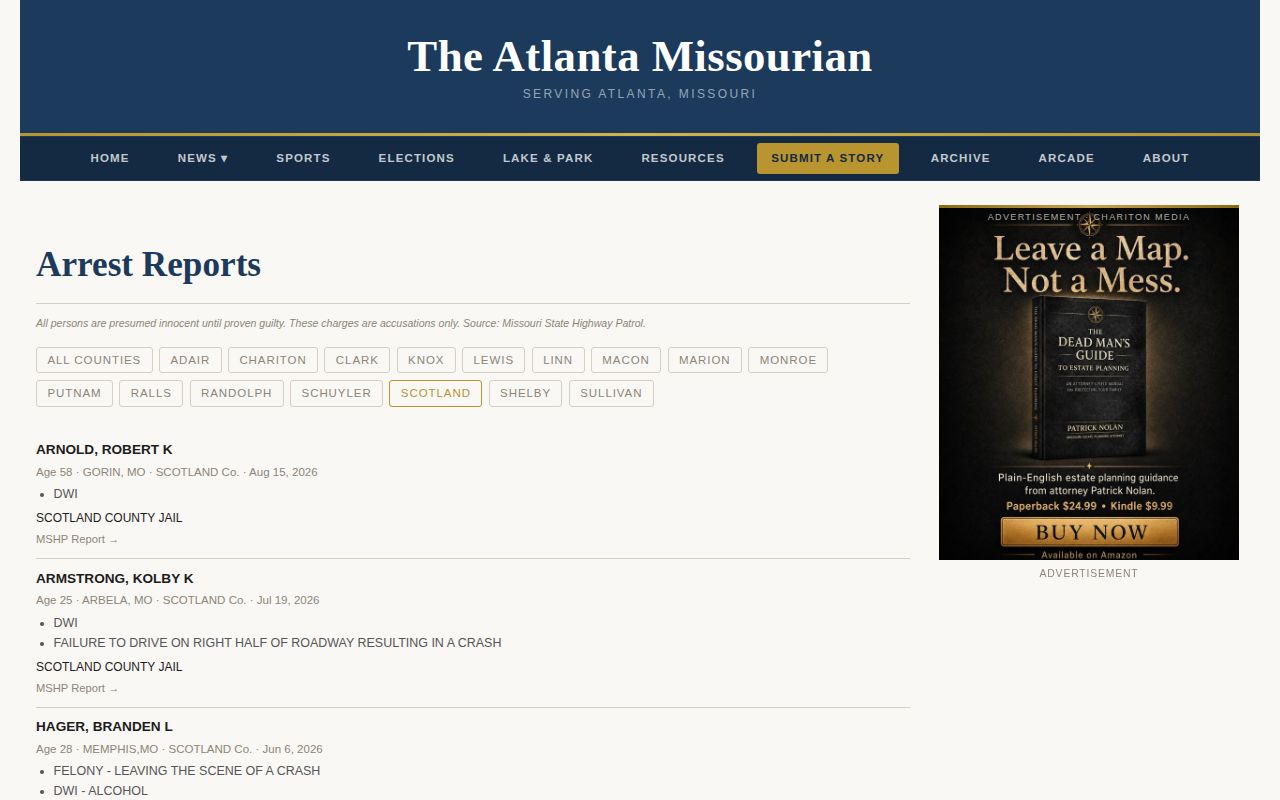
The archive extends discovery but is not a sheriff roster or mugshot gallery.
How to Read the Scotland County Blotter
Build a timeline without merging unlike dates or sources.
- Open the Atlanta Missourian Scotland filter and identify the displayed arrest date.
- Record the name, age, home city, charge wording, and arresting agency exactly.
- Follow the MSHP report link when it remains available; official reports roll off after five days.
- Note article date separately from arrest date.
- Check local news only for narrative context, not proof of completeness.
- For custody or a sheriff record, call (660) 465-2106.
Start with 24 Hour Arrests for the MSHP workflow, then use the county hub for records follow-up.
What an Arrest-Log Entry Shows
The reprint contains report fields, not a complete jail intake record.
| Field | Reading rule |
|---|---|
| Name and age | Use together to reduce mistaken identity. |
| Home city | Residence, not necessarily arrest site. |
| County and date | Confirm Scotland and preserve the event date. |
| Charge | Preliminary charge; later wording may differ. |
| Agency | Explains why an MSHP record appears. |
| Report link | Points to the original while available. |
| Photo | No verified booking-photo gallery was observed. |
Weekend and Holiday Arrests
No weekend surge or holiday catch-up rule holds here. A Friday arrest might surface in a Highway Patrol report or a later news story. It can also appear in both or neither. Timing follows editorial schedules, not intake order.
For a named person, the official-source workflow provides sheriff and court routes.
Archives and Retention
MSHP reports stay online five days. Atlanta Missourian reprints can linger longer. News pages often stay searchable even after a criminal case moves or ends. A story vanishing from the web does not erase the agency record.
Want an older arrest record? Send the sheriff a focused Chapter 610 request. Include the name, approximate date, agency if known, and the document you need. For disposition, Case.net or the Circuit Clerk is the right office. Keeping the archive URL plus access date helps.
Local Arrest Reporting Is Selective
The Memphis Democrat prints arrests, warrants, and court news. KMEM covers sheriff and patrol activity too. Editors pick stories, so the Memphis Democrat news index can skip an arrest entirely.
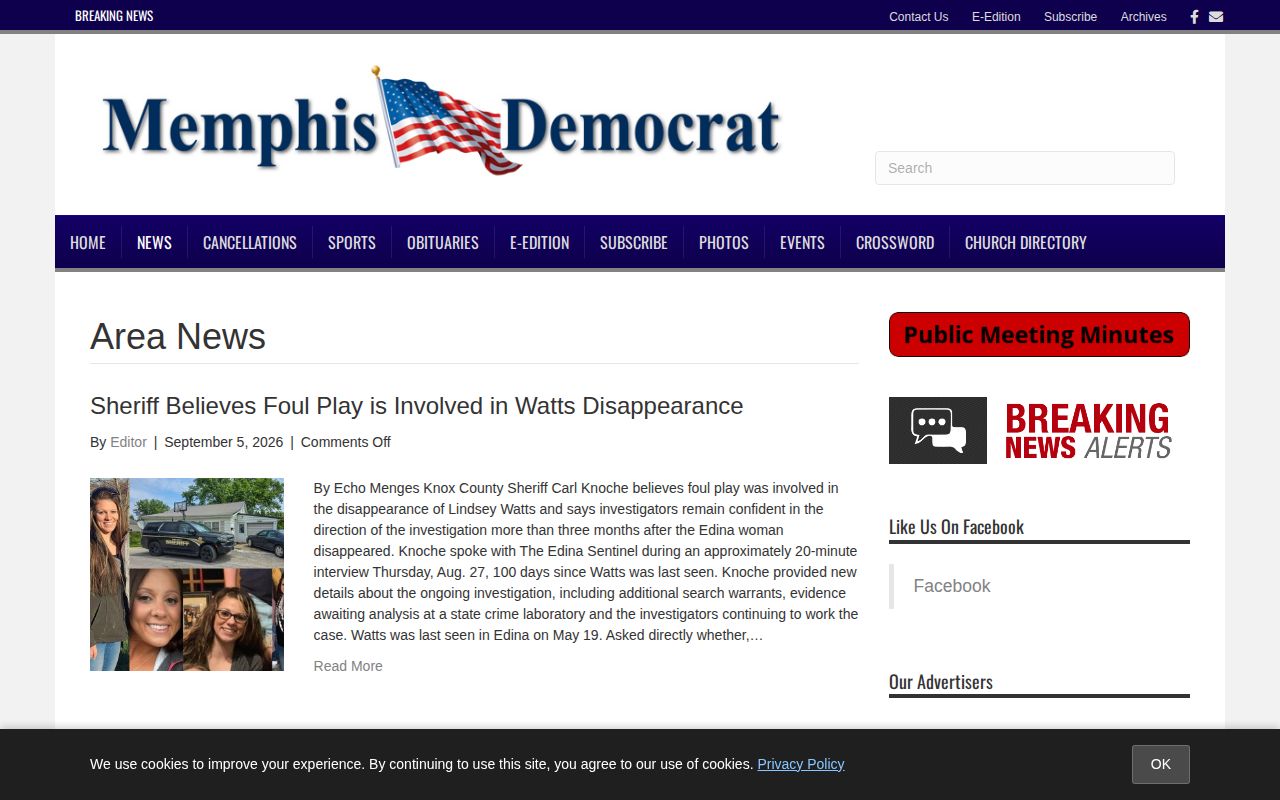
Treat each story as a dated account and confirm details with the agency or court. The KMEM archive offers a second path.
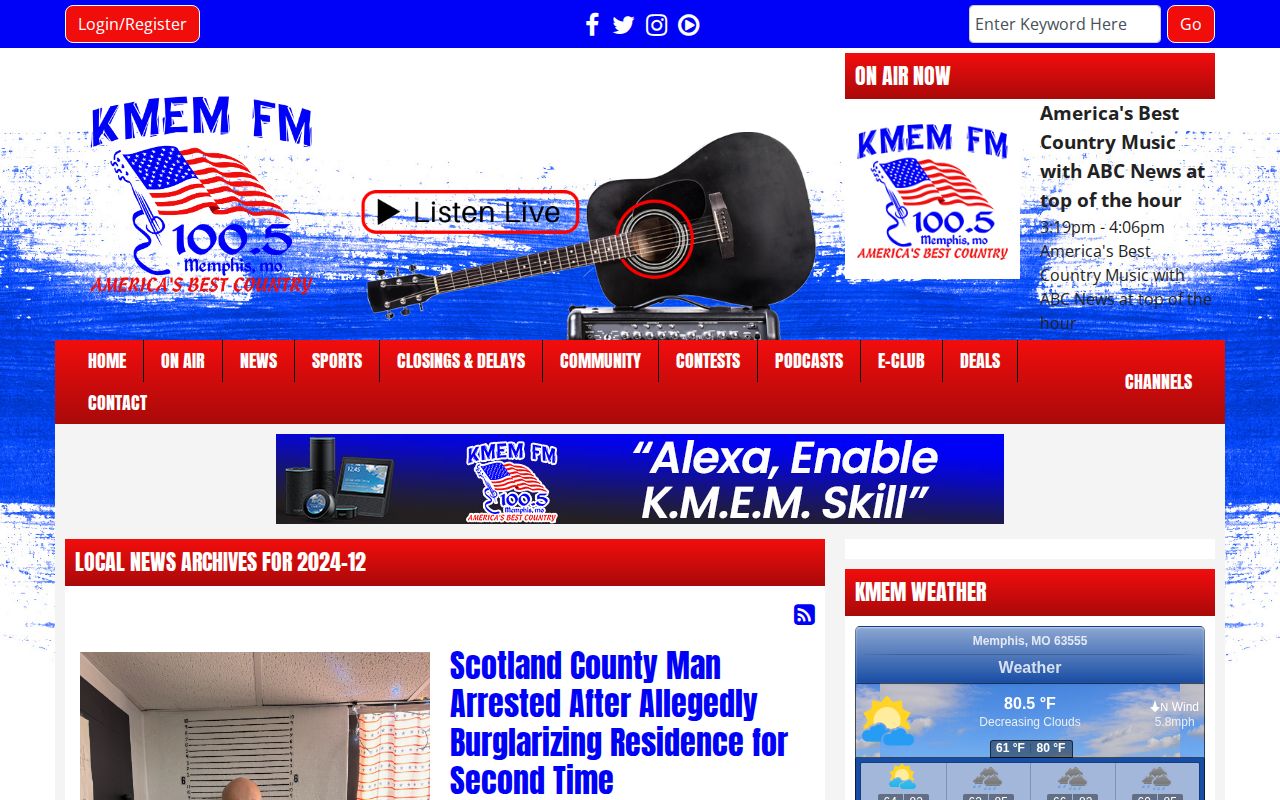
The radio archive supplies context, not a continuous booking ledger.
From Arrest Report to Court Outcome
An old entry freezes an early version of events. Prosecutors can change charges. A court may later show dismissal, a plea, acquittal, or another result. Keep the report date, publication date, agency, and court case number separate, then check Case.net and ask the Circuit Clerk about the docket.
Building an Accurate Multi-Day Timeline
Good timelines keep their receipts. For every item, note the source: MSHP, the Atlanta Missourian reprint, The Memphis Democrat, KMEM, the sheriff, or a court record. Write down the arrest date the source gives. Add the date an article ran or was updated. Keep any report or case number exactly as printed. Those details let you reconcile two pages describing the same incident differently.
Attribution matters in Scotland County. MSHP posts its own preliminary reports automatically. A sheriff-led arrest never enters that system. The Atlanta Missourian inherits the gap because it only reprints Highway Patrol material. The two local outlets choose stories for news value, not completeness. Combined searching improves discovery. It still never becomes an official blotter.
Never treat the home-city field as an arrest location. A Memphis, Rutledge, South Gorin, Arbela, or Granger address can belong to an event far away. A Scotland County arrest can involve someone from another county or state, so keep the source's labels untouched.
When the Online Arrest Trail Ends
Once the five-day report disappears, the sheriff and court routes matter most. Write to the Scotland County Sheriff's Office at 117 South Market Street, Suite 3, Memphis, MO 63555. Or call (660) 465-2106. Ask for the right custodian. Name a specific arrest report, booking record, or date range. Broad requests cost more time and copying fees. A precise name, date, and agency speeds the search.
Retention and online access differ. A file can sit in agency hands long after it leaves the web. Local retention schedules point to multi-year keeping of arrest and inmate files. That promises no internet archive or full public access. Sealed, expunged, juvenile, or closed material may stay undisclosed. Ask the custodian to explain any withheld or redacted material.
For prosecution, skip old headlines. Use Missouri Case.net and the Scotland County Circuit Clerk instead. A court filing supplies a case number and current disposition, while a missing public case can reflect timing or lawful confidentiality.
Photos and the Scotland County Arrest Archive
Scotland County publishes no official online roster and no booking-photo archive. The Atlanta Missourian arrest filter is no mugshot gallery. Its local-news photographs tend to be editorial images, file photos, or incident scenes. They are rarely jail booking portraits. Label an image a mugshot only when the source itself says so. A missing photo proves nothing either way. An arrest can happen without any picture ever surfacing. When a booking image is genuinely needed, file a public-record request. Ask the sheriff whether a releasable photo exists for that booking.
Comparing Duplicate Arrest Stories
One Scotland County arrest can generate three separate stories. It may appear in an MSHP report. The Atlanta Missourian may reprint it, and it can later earn its own local article. Count it once. To spot the overlap, compare the person and the arrest date. Then check the agency, the location, the charge language, and the report number. The original report stays primary for the event itself. Use the reprint for discovery and the article for attributed narrative.
A mismatch does not automatically mean one source lied. Preliminary charges change. Stories summarize counts, and court filings use their own legal wording. Say which source supplied each fact, and never blend versions quietly. If identity or outcome stays unclear, say so. Point readers to the sheriff or the court. One more caution applies. An old report found this week is not a new arrest this week. Without a complete sheriff dataset, these partial archives cannot support certain claims. They cannot show Scotland County arrests rising, falling, or outpacing any city's rate.
End archive digging with a live check. Reopen each surviving report link. Confirm the name and date against the sheriff's booking record. A later court entry matters too, since a docket line can settle what became of a Scotland County arrest after the booking. Where the original story has rolled off or two outlets disagree, record the gap plainly rather than guessing at the facts.
Treat a secondary archive as a pointer to old arrests. It cannot serve as a current custody list, and its coverage is spotty by nature. For today's roster, call the sheriff directly and name the person and event precisely. When you save notes, keep charge wording exact and keep the source link attached; skip personal contact details.